The Group Chat Fact-Check: A Quick Guide to Not Getting Fooled
aimagedetector.ai Team · August 4, 2026 · 2 min read
Someone in your family group chat just sent a photo that seems too dramatic, too perfect, or too convenient to be real. Maybe it's a "before and after," a celebrity doing something out of character, or a disaster photo that feels off. You don't need to become a digital forensics expert to handle this moment well. Here's the quick version.
Why this happens to everyone now
It used to take real skill to convincingly fake a photo. That's no longer true. Anyone with a phone and a free app can generate a highly convincing image in under a minute, with no editing skill required. This isn't about anyone in your life being gullible — the tools genuinely got that much better, that fast.
The 30-second check
Before you respond, forward it, or start arguing about it, try this:
- 1Reverse image search it. Right-click (or long-press) the image and search for it, or drop it into a reverse image search tool. If it's real and newsworthy, it's almost always been posted somewhere with actual context — a news outlet, a verified account, a wire service. If it only exists on an account you've never heard of, that's worth noting.
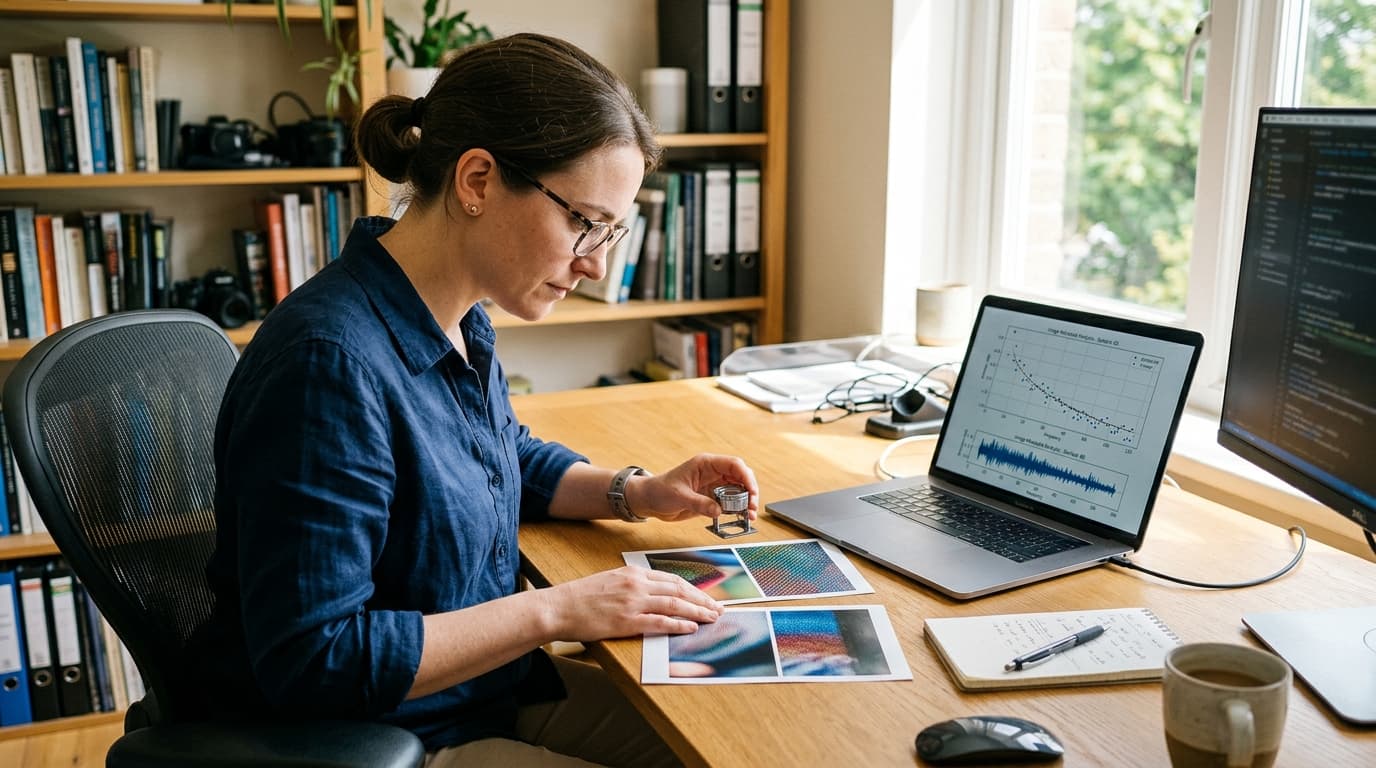
- 2Zoom into the details. Text on signs, hands, background objects, and reflections are still the places AI generators most often get subtly wrong. A quick zoom can reveal garbled text or an anatomically odd hand that's invisible at normal size.
- 3Check who's sharing it and why. Is the account posting it new, or does it have a normal history? Is the image attached to a claim that's emotionally charged or too neat a story? Fabricated images tend to travel fastest when they confirm something people already wanted to believe.
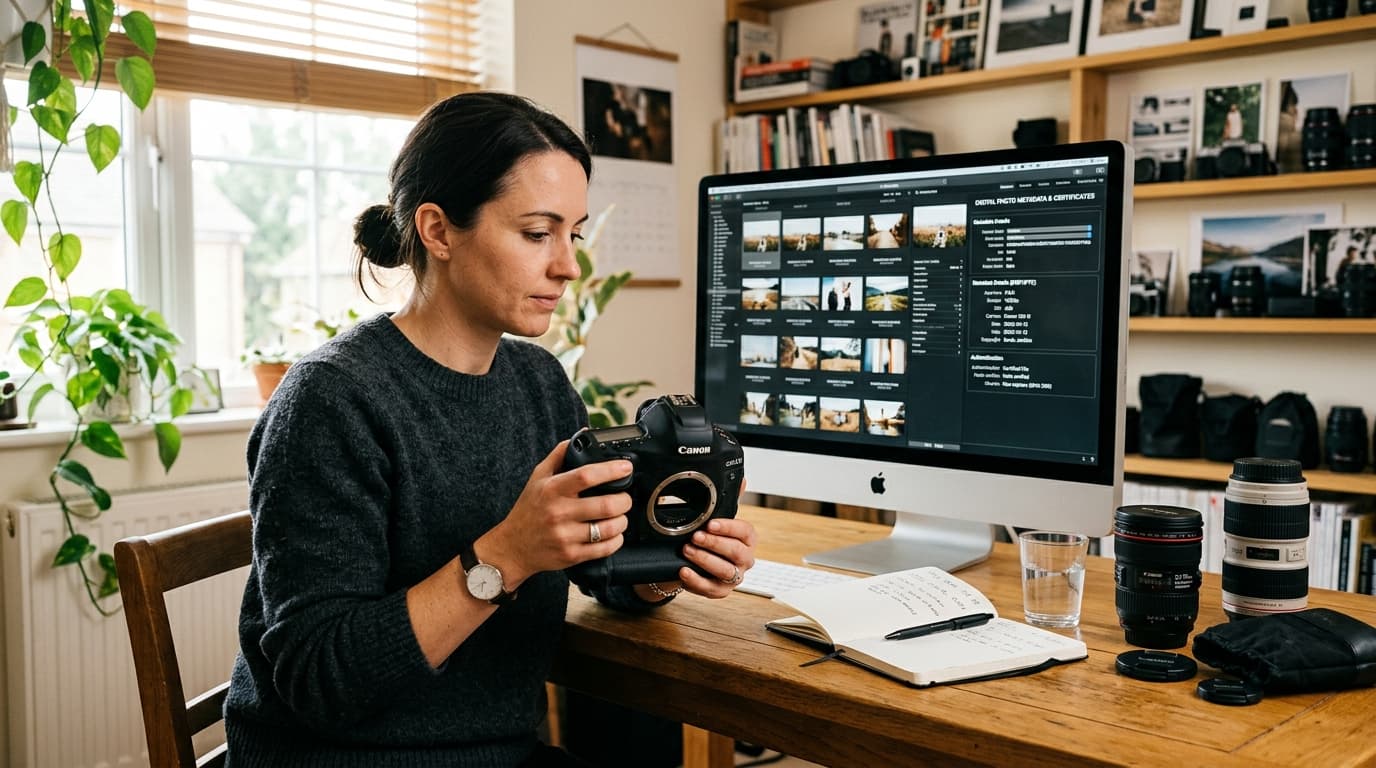
- 4Run it through a detector. When the above checks don't settle it, a proper analysis catches things invisible to a quick look — inconsistencies in sensor noise, compression patterns, and generation artifacts that don't show up no matter how closely you zoom in.
You don't have to be the fact-check police
Nobody wants to be the person who shows up in a family thread with "well, actually." The good news is you don't need to make it a whole thing. "Huh, I ran this through a checker and it looks AI-generated" is a low-drama way to introduce doubt without a lecture. Most people appreciate finding out before they've shared something themselves, not after.
This isn't going away
Image generation is only getting better, and the gap between "obviously fake" and "genuinely convincing" keeps shrinking. Building the habit of a quick check — the same reflexive way most people now double-check a suspicious link before clicking it — is a small habit that saves a lot of embarrassment and misinformation down the line.
Curious about a specific image? We're building a free, instant check — join the waitlist and we'll let you know the moment it's live.
Get started free →