Are Those Product Photos Real? How to Spot AI-Generated Listing Images
aimagedetector.ai Team · June 19, 2026 · 3 min read
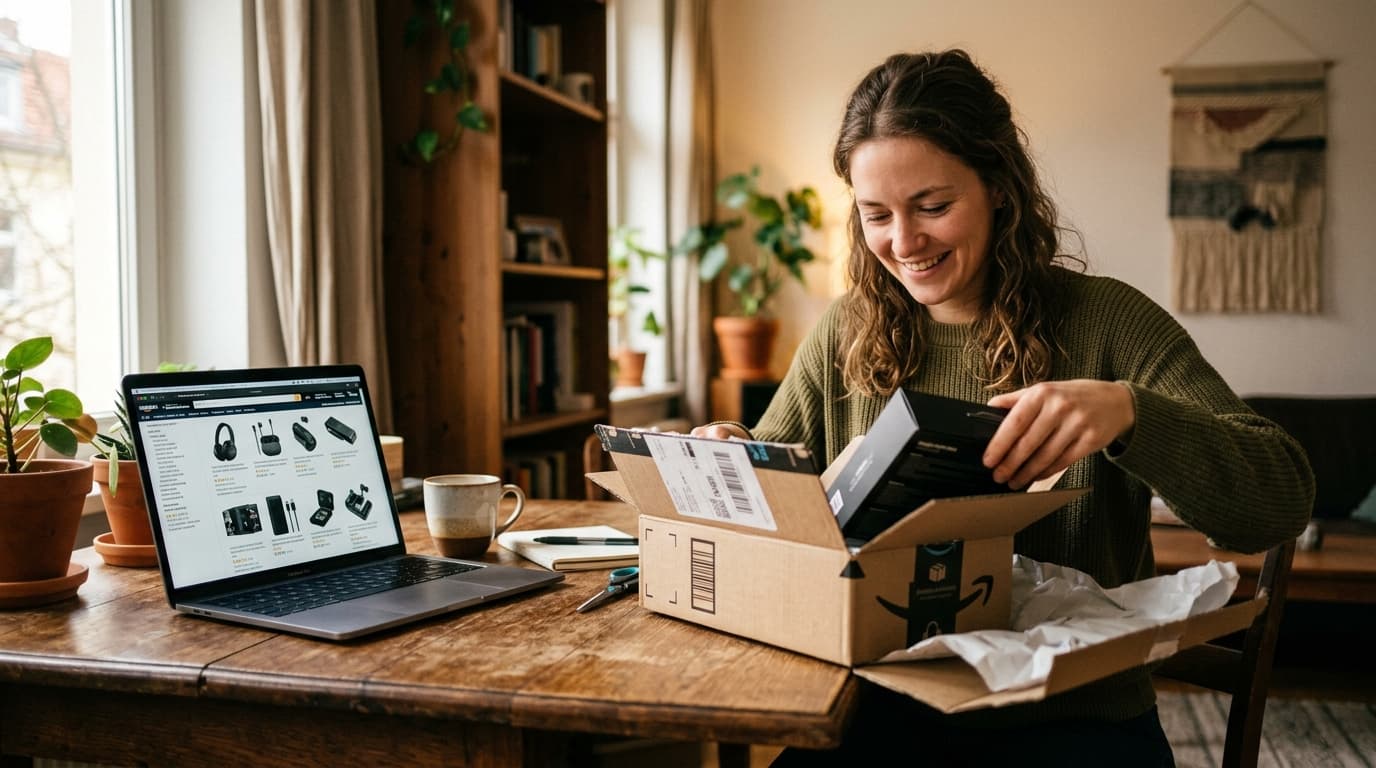
You've probably had this experience: the product that arrives looks nothing like the listing photo. Sometimes that's just a bad angle or good lighting. Increasingly, it's because the listing photo wasn't a photo of the actual product at all — it was AI-generated.
Why this is becoming more common
Generating a polished, professional-looking product image no longer requires a camera, a studio, or even the product itself. For sellers on marketplaces with low barriers to entry, this creates an obvious temptation: generate an appealing image instead of photographing an item that may look less impressive in real life, or that may not exist as pictured at all.
Signs a product photo might be AI-generated
- 1The lighting is a little too perfect. Real product photography, even professional studio work, has some believable imperfection — a slight shadow, a minor reflection inconsistency. AI-generated product shots sometimes have an almost unnaturally even, "rendered" quality to the lighting.
- 2Text or logos look slightly wrong. Brand names, size labels, or care instructions printed on a product are a common weak point. Zoom in — garbled or almost-correct text is a strong sign the image wasn't a photo of a real physical item.
- 3Details don't match the written description. If the listing describes specific features, materials, or components, check whether the photo actually shows all of them accurately. Mismatches between the description and the image are a practical, non-technical way to catch a listing that isn't showing the real product.
- 4Every photo in the listing looks like the same "shoot" despite claiming different angles. Real product photography from multiple angles has natural variation in shadow and reflection. A set of images that all share suspiciously consistent lighting from impossible-seeming angles is worth a second look.
- 5No customer photos, or only photos identical to the listing. Genuine products accumulate real customer photos over time on most marketplaces. Listings with zero customer photos, or where customer photos suspiciously all look identical to the official listing, deserve more scrutiny.
What to do before you buy
- 1Check seller reviews and history. Not just the product photos — a new seller account with no track record is a bigger risk factor than any single photo issue.
- 2Look for customer-submitted photos. Compare them to the official listing images.
- 3Use an AI image detector. Run it on a listing photo if something feels off — this catches generation artifacts a casual look won't.
- 4Favor sellers and platforms with clear return policies. This is the most reliable protection regardless of how convincing a listing photo is.
Frequently asked questions
Is it illegal for sellers to use AI-generated product photos?
Rules vary by platform and jurisdiction. Most marketplaces have policies requiring listing photos to accurately represent the product, and misleading AI-generated images can violate those policies even where no specific law addresses it directly.
Do all AI-generated product photos mean a scam?
Not automatically — some sellers use AI-enhanced imagery for legitimate marketing alongside real photos. The bigger risk signal is when AI-generated images are the only representation of the product, with no real photos anywhere.
Can I request real photos from a seller before buying?
Yes, and many legitimate sellers will provide them on request. Reluctance or refusal to provide an additional real photo is itself a useful signal.
Suspicious of a listing photo? Join the waitlist to be first in line to check it before you check out.
Get started free →